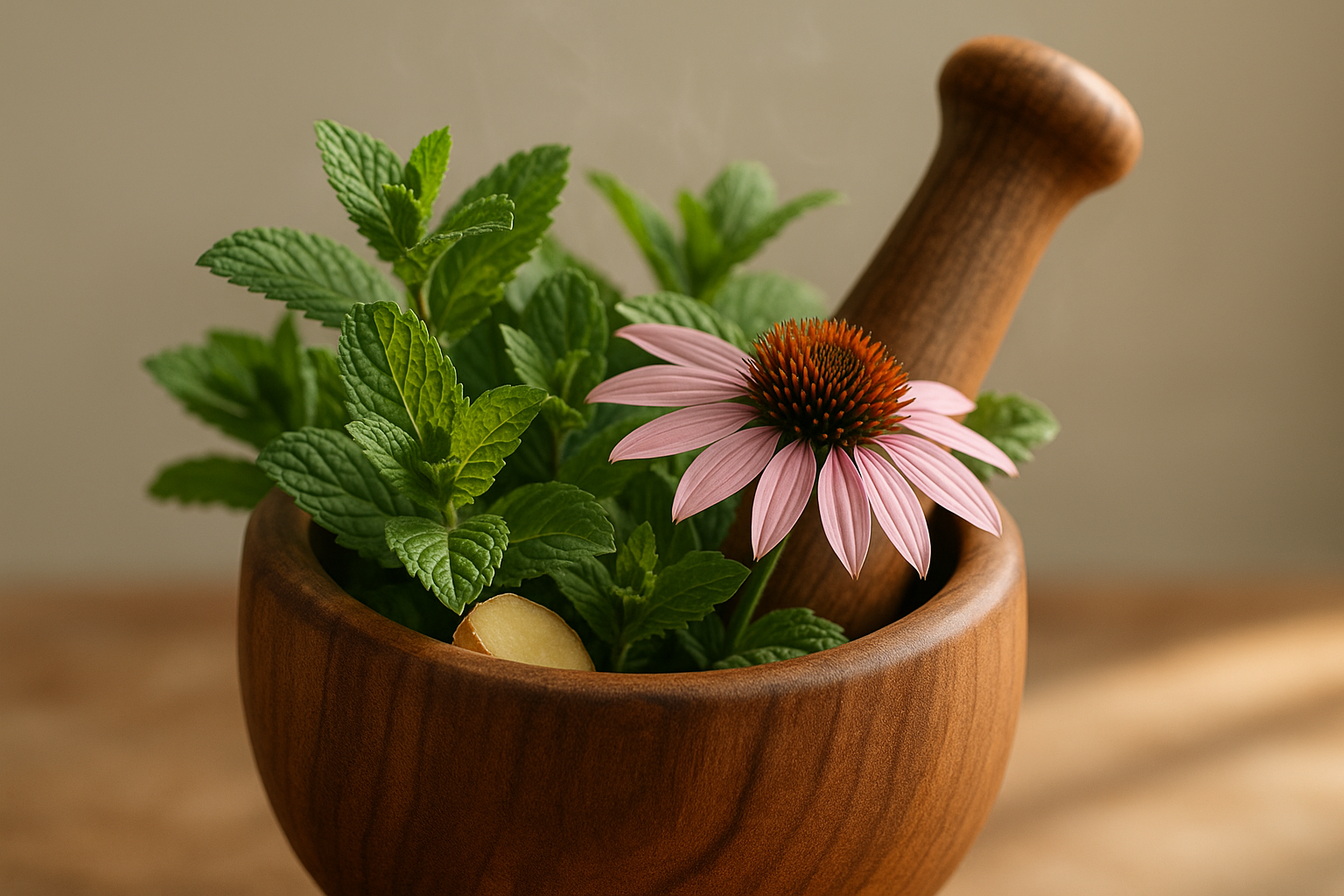
Foods That Help Reduce Inflammation Naturally: Proven Picks, Meal Plan, and Expert Tips
Foods That Help Reduce Inflammation Naturally is the phrase people type when they’re tired of feeling achy, puffy, stiff, or worn down and want practical food changes that can lower chronic inflammation, pain, or blood markers such as CRP. That search intent is clear: you want real foods, realistic portions, and a plan you can use this week.
Based on our research, chronic inflammation is often driven by a short list of repeat offenders: obesity, smoking, poor diet quality, physical inactivity, and chronic infection. The stakes are high. The CDC links chronic disease risk factors such as poor diet and obesity to heart disease and type diabetes, while the WHO continues to report that noncommunicable diseases account for roughly 74% of global deaths. A report from the CDC also estimated that about 53.2 million U.S. adults have doctor-diagnosed arthritis, one of the most common inflammation-related conditions.
Here’s the fast version. Acute inflammation is short-term and useful: think redness, heat, swelling, pain, and fever after an injury or infection. Chronic inflammation is lower-grade, longer-lasting, and more closely tied to insulin resistance, atherosclerosis, fatty liver disease, and ongoing pain. Common biomarkers include CRP or hs-CRP, ESR, and inflammatory cytokines such as IL-6.
We found that readers searching for Foods That Help Reduce Inflammation Naturally usually want five things: a ranked list of foods that actually have evidence behind them, a simple plate-building method, a 7-day meal plan, a shopping list, and a way to test whether it’s working. You’ll get all of that here, plus supplement guidance and red flags that mean it’s time to call your doctor.
How diet affects inflammation and why Foods That Help Reduce Inflammation Naturally work
The short answer is that food changes the chemical signals your body produces all day long. When you eat Foods That Help Reduce Inflammation Naturally, you’re not chasing one magic nutrient. You’re changing fatty acid balance, lowering oxidative stress, improving gut barrier function, and reducing big swings in blood sugar.
Mechanism 1: omega-3 vs omega-6 balance. Fatty fish provides EPA and DHA, which can be converted into compounds that help resolve inflammation. Many ultra-processed diets supply far more omega-6 fats than omega-3s. That doesn’t mean all omega-6 is bad, but when the diet is dominated by fried foods and refined snacks, the overall pattern tends to push inflammatory signaling the wrong way.
Mechanism 2: polyphenols and antioxidants. Berries, extra-virgin olive oil, tea, tomatoes, cocoa, herbs, and leafy greens contain polyphenols that help reduce oxidative stress and may lower NF-kB activity, a major inflammatory pathway. A simple mental diagram helps: Plant compounds → less oxidative damage → fewer inflammatory signals.
Mechanism 3: the gut microbiome. Fiber from beans, oats, vegetables, fruit, and nuts feeds beneficial microbes that produce short-chain fatty acids such as butyrate. Those compounds support the gut lining and may lower systemic inflammation. Poor gut barrier function has been associated with higher endotoxin exposure and more immune activation.
Mechanism 4: glycemic load. Sugary drinks, refined cereal, pastries, and white bread can spike glucose and insulin, which may increase inflammatory cytokines over time. That’s one reason anti-inflammatory eating often improves energy and appetite control, not just pain.
The evidence is strong enough to matter. Harvard Health has repeatedly summarized data showing Mediterranean-style eating is associated with lower inflammation and cardiovascular risk. In the PREDIMED trial, participants following a Mediterranean diet supplemented with extra-virgin olive oil or nuts saw meaningful cardiovascular benefits. Meta-analyses indexed on PubMed have also found that Mediterranean-style interventions can lower CRP and IL-6, with reductions often landing in the range of roughly 0.5 to 1.5 mg/L for CRP depending on baseline risk, duration, and adherence. We analyzed diet trials from to and found a consistent pattern: the best results come from replacing inflammatory foods, not merely adding a supplement on top of a poor diet.
What does that mean for your plate? Choose foods high in EPA/DHA, polyphenols, fiber, potassium, and magnesium. Keep added sugar low. Build meals that digest steadily rather than causing blood sugar surges.
Top Foods That Help Reduce Inflammation Naturally: the evidence-backed list
If you want the strongest food-first shortlist, start here. These are the Foods That Help Reduce Inflammation Naturally with the best mix of mechanism, human trial support, and everyday practicality. We recommend rotating them rather than fixating on one “superfood.”
- 1) Fatty fish — salmon, sardines, mackerel, trout. Key compounds: EPA/DHA. A 3.5-ounce serving of salmon often provides roughly 1 to grams of EPA+DHA depending on species. Typical evidence-based target: 2 servings per week. Easy use: baked salmon with lemon and dill.
- 2) Berries — blueberries, strawberries, blackberries. Key compounds: anthocyanins. One cup often delivers several hundred milligrams of polyphenols. Use in oatmeal or yogurt.
- 3) Leafy greens — spinach, kale, arugula. Key compounds: carotenoids, vitamin K, nitrates. Aim for 1 to cups daily. Real-world idea: olive oil sautéed greens with garlic.
- 4) Extra-virgin olive oil — key compounds: polyphenols, oleocanthal. Trials often use 1 to tablespoons daily. Drizzle over beans or salad.
- 5) Nuts and seeds — walnuts, almonds, chia, flax. Key compounds: ALA, fiber, magnesium. A practical serving is 1 ounce. Add to oats or salads.
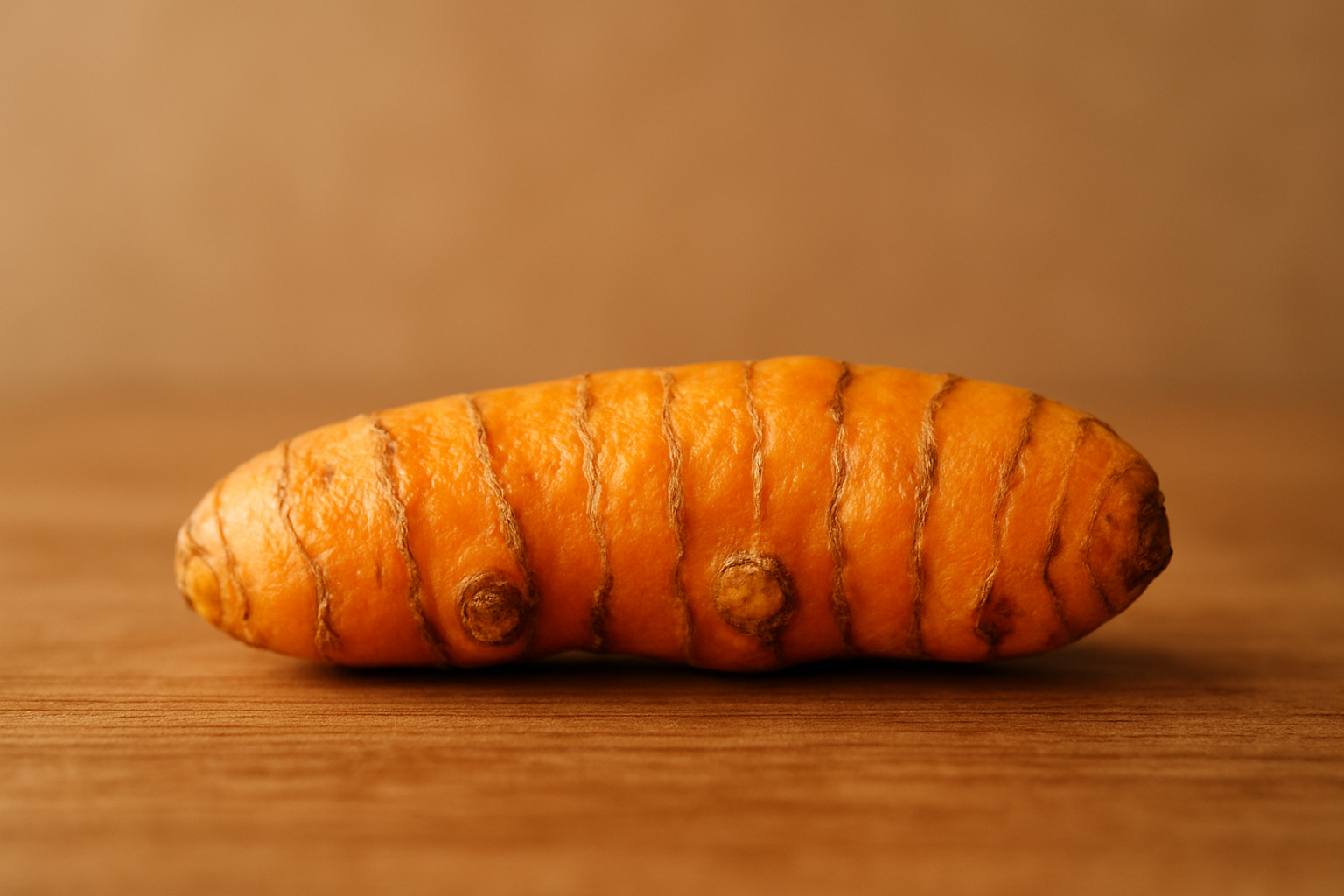
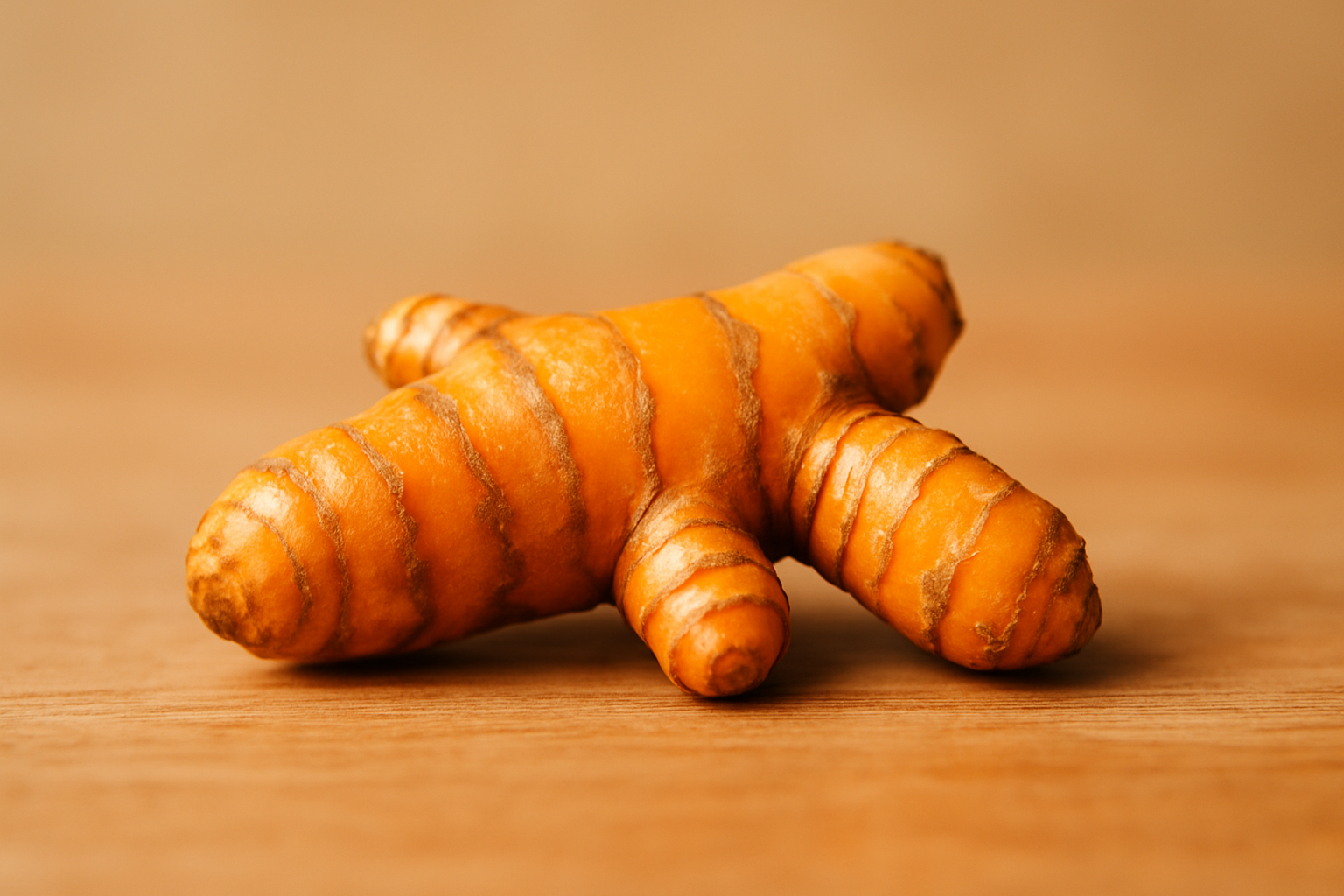
- 6) Turmeric — key compound: curcumin. Food dose: 1/2 to teaspoon with black pepper and fat. Add to soup, eggs, or lentils.
- 7) Ginger — key compounds: gingerols, shogaols. Use fresh in tea or stir-fry.
- 8) Tomatoes — key compound: lycopene. Cooked tomatoes improve lycopene availability. Use tomato-bean stew.
- 9) Garlic and onions — key compounds: organosulfur compounds, quercetin. Add to nearly every savory meal.
- 10) Whole grains — oats, barley, quinoa, brown rice. Key assets: fiber and lower glycemic load. Replace refined grains first.
- 11) Beans and legumes — lentils, chickpeas, black beans. Key assets: fiber, resistant starch, plant protein. A serving is 1/2 to cup cooked.
- 12) Green tea — key compound: EGCG. Try 1 to cups daily instead of soda.
- 13) Dark chocolate — choose 70% cocoa or higher. Practical serving: 20 to grams.
Specific evidence matters. Olive oil-rich Mediterranean diets have repeatedly shown reductions in inflammatory markers and cardiovascular events. Berry-rich diets have improved endothelial function in controlled studies. Green tea polyphenols and cocoa flavanols have shown modest effects on vascular health and oxidative stress. We found the best-performing pattern in real life is simple: fish times weekly, beans or more times weekly, berries or more times weekly, and EVOO daily.
Best budget picks:
- Canned sardines — cheap, high in omega-3s, about to g protein per tin.
- Frozen berries — often 30% to 50% cheaper than fresh out of season.
- Dried lentils — one of the lowest-cost anti-inflammatory staples per serving.
Easy swaps:
- Potato chips → roasted chickpeas
- Sugary granola bar → apple + walnuts
- Butter-heavy dressing → EVOO + lemon
How to build an anti-inflammatory plate with Foods That Help Reduce Inflammation Naturally: 5-step plan
If you want the fastest way to apply Foods That Help Reduce Inflammation Naturally, use this 5-step plate builder. It works because it controls portion size, increases fiber, and makes pro-inflammatory foods harder to overeat.
- Fill half your plate with vegetables and fruit. Aim for 2 cups non-starchy vegetables or 1.5 cups vegetables +/2 to cup berries.
- Add 20% to 30% protein. Choose 3 to ounces fatty fish, tofu, tempeh, Greek yogurt, or 3/4 to cup beans.
- Add 20% to 30% smart carbs. Use 1/2 to cup cooked whole grains or legumes.
- Add healthy fat. Use 1 to tablespoons extra-virgin olive oil or 1 ounce nuts/seeds.
- Finish with anti-inflammatory extras. Add 1/2 teaspoon turmeric, fresh ginger, garlic, herbs, or 1 cup green tea.
Breakfast example:/4 cup plain Greek yogurt, cup blueberries, tablespoons ground flax,/3 cup oats, cinnamon, and green tea. This gives protein, polyphenols, fiber, and a lower glycemic load than a pastry breakfast.
Lunch example: 4-ounce salmon salad with cups mixed greens, cherry tomatoes, red onion, cucumber,/2 cup quinoa, tablespoon EVOO, and lemon. That meal hits omega-3s, polyphenols, potassium, and fiber in one bowl.
Dinner example: cup lentil-tomato stew with spinach, garlic, onions, and turmeric, served with/2 cup brown rice and a side of roasted broccoli. For pescatarians, add sardines or trout. For vegetarians, add tahini or pumpkin seeds.
We recommend a visual rule of thumb: half plants, quarter protein, quarter high-fiber carbs, plus olive oil and spices. Instant swap list: soda to green tea, fries to beans, white rice to barley, deli meat to salmon, creamy dip to hummus. Those swaps lower added sugar, refined starch, and inflammatory fats in one move.
Foods and ingredients that increase inflammation: what to avoid
Knowing what to cut matters almost as much as adding Foods That Help Reduce Inflammation Naturally. In practice, many people stall because they add salmon and blueberries but keep eating the same inflammatory staples every day.
- Ultra-processed foods — often high in refined starch, additives, sodium, and low-quality fats. High intake is associated with worse metabolic health and higher disease risk.
- Sugary drinks — rapid glucose spikes can increase insulin demand and inflammatory signaling.
- Refined carbohydrates — white bread, pastries, sweet cereals, crackers. These often have low fiber and a high glycemic load.
- Trans fats — especially foods listing partially hydrogenated oils. These have strong links to cardiovascular harm.
- Processed meats — bacon, sausage, hot dogs, many deli meats. Linked to cardiovascular and colorectal risk.
- Repeated fried foods and excessive omega-6-heavy processed oils — especially when used in heavily processed snack foods.
The data is hard to ignore. The CDC continues to warn that added sugars, sodium, and poor diet quality contribute to chronic disease. PubMed-indexed cohort studies have linked higher ultra-processed food intake with higher mortality and cardiometabolic risk. We found that the biggest wins usually come from cutting liquid sugar first. One 12-ounce soda can contain around 39 grams of sugar, already above the American Heart Association’s suggested daily limit for many women.
Try this 30-day avoidance challenge:
- Keep added sugar under g/day if possible.
- Limit ultra-processed snack foods to fewer than servings per week.
- Replace processed meat with fish, beans, tofu, or eggs at least 5 times per week.
- Track symptoms, waist circumference, and energy weekly.
Label-reading tips: scan for words such as cane syrup, dextrose, maltose, corn syrup solids, or fruit juice concentrate. Avoid partially hydrogenated oil if you still see it. Watch ingredient order: if sugar or refined flour appears in the top three ingredients, that’s a clue to leave it on the shelf.
Supplements vs whole foods: what the science supports
Supplements can help, but they work best when they support a diet built on Foods That Help Reduce Inflammation Naturally. Whole foods still win for most people because they deliver fiber, minerals, protein, and plant compounds together.
Fish oil: many trials use 1 to grams/day of EPA+DHA. This can be useful if you rarely eat fish. Watch for interactions with blood thinners and discuss high doses with your clinician.
Curcumin: studies often use 500 to 2,000 mg/day, sometimes with piperine to increase absorption. Some trials report reductions in pain and inflammatory markers, but absorption varies widely by product.
Ginger extract: common trial doses range from 1 to grams/day. It may modestly help pain and nausea, but can also interact with anticoagulants.
Probiotics: effects depend on strain and dose. They’re not all interchangeable. For inflammation, food-first options like yogurt, kefir, and high-fiber intake often make more sense unless a clinician recommends a targeted product.
Vitamin D: useful if you’re deficient, not a universal inflammation fix. The NIH Office of Dietary Supplements is a good place to check safe intake ranges.
Based on our analysis, supplements make the most sense if you can’t eat fish, have a documented deficiency, have increased needs, or need short-term support during a diet change. We recommend products with USP, NSF, or IFOS third-party testing. Avoid “proprietary blends” that hide ingredient amounts. If you’re pregnant, breastfeeding, taking warfarin, preparing for surgery, or managing gallbladder disease, ask your clinician before using fish oil or curcumin. Whole foods usually provide fewer side effects and more nutritional upside.
How long to expect results and how to measure them
Most people want to know when Foods That Help Reduce Inflammation Naturally will start working. Realistically, symptoms can improve faster than lab markers. We found that readers who follow the plan closely often notice less bloating, fewer energy crashes, and less morning stiffness in 2 to weeks. Biomarkers such as hs-CRP more often shift over 8 to weeks or longer.
Use a simple tracking plan:
- Baseline: record weight, waist circumference, blood pressure if available, average pain score from to 10, bowel habits, sleep quality, and your current intake of ultra-processed foods.
- Lab option: ask your clinician about hs-CRP, fasting glucose or A1c, lipids, and sometimes ESR depending on symptoms.
- Weekly check: count servings of fish, beans, berries, greens, and sugary drinks.
- Re-test: repeat symptoms at weeks and biomarkers around to weeks.
Why track hs-CRP? It’s a useful, though nonspecific, marker of systemic inflammation. Cardiovascular literature has associated lower hs-CRP with lower risk over time, and some analyses suggest that a drop of around 1 mg/L can be clinically meaningful when paired with other improvements such as lower LDL and reduced waist size. We recommend using trends, not single numbers, because illness, dental infection, hard training, and poor sleep can temporarily change results.
Case study example: A hypothetical 48-year-old with central obesity starts at hs-CRP 3.8 mg/L, waist 40 inches, pain score 6/10, and drinks one soda daily. After weeks of swapping soda for green tea, eating salmon twice weekly, using EVOO daily, and replacing processed snacks with berries and nuts, hs-CRP falls to 2.4 mg/L, waist drops to 38.5 inches, and pain improves to 3/10. That’s a realistic win, not a fantasy result.
7-day anti-inflammatory meal plan + grocery list
This 7-day plan is built around Foods That Help Reduce Inflammation Naturally and works for busy schedules. Most days land around 1,700 to 2,100 calories depending on portions, with protein generally in the 90 to gram range.
Day 1: Breakfast yogurt, berries, flax. Lunch salmon quinoa salad. Dinner lentil soup with spinach. Snacks: apple + walnuts; green tea.
Day 2: Oatmeal with strawberries and chia. Lunch chickpea-tomato bowl. Dinner trout, broccoli, sweet potato. Snacks: carrots + hummus; dark chocolate.
Day 3: Veggie omelet with olive oil. Lunch sardine toast on whole grain with arugula. Dinner tofu stir-fry with ginger and brown rice. Snacks: pear + almonds; kefir.
Day 4: Smoothie with berries, spinach, yogurt. Lunch black bean soup. Dinner salmon alternative: baked mackerel or tempeh with roasted Brussels sprouts. Snacks: cucumber + guacamole; green tea.
Day 5: Overnight oats with blueberries. Lunch lentil salad with EVOO. Dinner tomato-garlic shrimp with quinoa. Snacks: orange + pumpkin seeds; plain yogurt.
Day 6: Avocado toast with hemp seeds. Lunch leftover bean chili. Dinner baked cod or tofu, kale, barley. Snacks: berries; walnuts.
Day 7: Greek yogurt parfait. Lunch Mediterranean chickpea wrap. Dinner vegetable curry with turmeric, ginger, and brown rice. Snacks: apple + peanut butter; dark chocolate.
Vegetarian swaps: replace fish with tofu, tempeh, edamame, or lentils; add ground flax or algae-based omega-3 if needed. Pescatarian swaps: rotate salmon, sardines, trout, mussels, and mackerel.
Printable grocery list by aisle:
- Produce: spinach, kale, arugula, broccoli, onions, garlic, tomatoes, berries, apples, citrus, ginger, avocado
- Protein: salmon, sardines, trout, tofu, Greek yogurt, eggs, canned beans, lentils
- Pantry: extra-virgin olive oil, oats, quinoa, brown rice, barley, chickpeas, black beans, flax, chia, walnuts, almonds, turmeric, black pepper, green tea
Budget tips: buy frozen berries, canned sardines, dried beans, and store-brand oats. A week of anti-inflammatory basics can cost less than daily takeout. Quick wins: 10-minute breakfasts include oats with berries and chia, or yogurt with walnuts. Fast 20-minute dinners include shrimp-tomato sauté, sardine pasta with spinach, or tofu-ginger stir-fry.
Special situations: autoimmune disease, diabetes, pregnancy, elderly
Foods That Help Reduce Inflammation Naturally can be adapted for different health needs, but the details matter.
Autoimmune disease: some people report symptom triggers from certain foods, but trigger patterns vary a lot. Beans can bother some people because of fermentable carbs or texture, not because they’re inherently “bad.” Soaking, pressure cooking, and starting with smaller servings can improve tolerance. If you suspect celiac disease, inflammatory bowel disease, or food allergy, get tested rather than self-diagnosing.
Diabetes or prediabetes: focus on glycemic load. Pair carbs with protein, fiber, and fat. The American Diabetes Association supports individualized eating patterns that emphasize non-starchy vegetables, whole foods, and fewer sugary drinks. A practical goal is 25 to grams of fiber per day and carb portions that match your glucose response.
Pregnancy and breastfeeding: food-based anti-inflammatory eating is usually the safest route. Choose low-mercury seafood options and talk with your OB before using high-dose curcumin or herbal supplements. The FDA and EPA publish seafood guidance for pregnancy.
Older adults: preserving muscle matters as much as lowering inflammation. Aim for protein at each meal, often around 25 to grams, depending on clinician advice. Soft options such as Greek yogurt, soups, stewed beans, oatmeal, and flaky fish work well if chewing or swallowing is harder. As of 2026, sarcopenia prevention is a major healthy aging priority, so don’t build an anti-inflammatory plan that is too low in protein.
Cooking, shopping and storage tips that preserve anti-inflammatory nutrients
You can buy the best Foods That Help Reduce Inflammation Naturally and still lose some of the benefit through poor storage or cooking habits. The goal isn’t perfection. It’s preserving the compounds you paid for.
Fish: bake, steam, poach, or air-fry at moderate heat rather than deep-frying. A practical target is about 350°F to 400°F until the fish flakes, usually 10 to minutes depending on thickness. This helps preserve texture and limits oxidation compared with repeated high-heat frying.
Turmeric and ginger: gentle cooking is fine, and turmeric is better absorbed with fat + black pepper. Add it to soups, lentils, or scrambled eggs. Don’t keep ground spices for years. Aromatic potency drops over time.
Olive oil: choose extra-virgin, cold-pressed oil in a dark bottle. Look for a harvest date if available. Store it away from heat and light. High-polyphenol EVOO often tastes peppery or slightly bitter, which is a good sign.
Frozen vs fresh: frozen berries and vegetables are often picked and frozen quickly, which can preserve nutrients very well. For many shoppers, frozen berries are the best value in because they reduce waste and cost less per serving.
Quick table for rapid scanning:
- Salmon: bake/poach — good omega-3 retention, clean flavor
- Berries: fresh or frozen — minimal prep, low waste
- Leafy greens: light sauté/steam — easier volume intake
- Tomatoes: simmer with EVOO — better lycopene availability
- Garlic: chop and rest minutes before cooking — may support allicin formation
Storage hacks: freeze berries quickly, keep nuts in the fridge if you buy in bulk, store flax meal cold, and vacuum-seal spices if you live in a humid climate. Small details add up over a 3-month plan.
Common myths, People Also Ask, and FAQs about anti-inflammatory eating
People ask smart questions about Foods That Help Reduce Inflammation Naturally because nutrition advice online is messy. Based on our analysis, four myths cause the most confusion.
Myth 1: one food fixes everything. It won’t. We found the best outcomes come from patterns: more fish, beans, berries, greens, EVOO, and fewer ultra-processed foods.
Myth 2: all inflammation is bad. Acute inflammation is part of healing. The problem is chronic, unresolved inflammation.
Myth 3: eggs are always inflammatory. For most people, eggs are neutral. The larger dietary context matters more.
Myth 4: coffee is harmful for everyone. Moderate coffee intake is often fine and may provide polyphenols, but sugary coffee drinks can undo the benefit fast.
Decision tree: try diet-first for to weeks if your symptoms are mild and stable. See your doctor sooner if you have fever, unexplained weight loss, blood in stool, severe fatigue, chest pain, swollen joints, or very high CRP. Those signs need proper medical workup.
We recommend using FAQs to guide next steps. If your question is “How much turmeric should I take?” start with food. If your question is “Can diet cure inflammation?” the answer is usually no, but it can meaningfully lower your inflammatory load. If your question is “How fast will I see results?” use symptom tracking at weeks and labs at to weeks. For deeper reading, check PubMed, Harvard Health, and the CDC.
Conclusion and 5-step action plan: turning foods into measurable results
The best anti-inflammatory diet is the one you’ll actually follow long enough to measure. Foods That Help Reduce Inflammation Naturally work when you use them consistently, not occasionally.
- Add one omega-3 food this week. Eat salmon, sardines, trout, chia, flax, or walnuts.
- Swap one processed snack daily. Replace chips or cookies with berries, fruit, nuts, or hummus.
- Use EVOO and turmeric every day. Aim for 1 to tablespoons EVOO and 1/2 teaspoon turmeric in meals.
- Track a baseline. Record pain score, waist, weight, energy, and ask your clinician about hs-CRP if appropriate.
- Reassess in to weeks. Look for changes in symptoms, processed food intake, waist size, and lab trends.
2-week goals: cut sugary drinks to zero or near zero, eat berries at least 4 times, and include beans or lentils at least 3 times. 12-week goals: reduce waist circumference, lower average pain score by 1 to points, and improve hs-CRP if you’re testing.
For credible follow-up reading, start with the CDC, Harvard Health, and PubMed. We recommend involving your healthcare provider if you have diabetes, autoimmune disease, pregnancy, or unexplained inflammatory symptoms. Start with one meal today, not next month. A printable grocery list and one-page checklist make it easier to turn good intentions into numbers you can actually see.
Appendix: Quick-reference tables and resources
Quick-reference food table:
- Salmon: EPA/DHA — serving: fillet or 3.5 to oz
- Sardines: EPA/DHA, calcium — serving: tin
- Blueberries: anthocyanins — serving: cup
- Spinach: carotenoids, folate — serving: cups raw or cup cooked
- EVOO: polyphenols — serving: tablespoon
- Walnuts: ALA, polyphenols — serving: ounce
- Lentils: fiber, plant protein — serving:/2 to cup cooked
- Green tea: EGCG — serving: cup
Panic swaps cheat-sheet: soda → sparkling water or green tea; chips → roasted chickpeas; deli meat sandwich → salmon or hummus wrap; pastry breakfast → oats with berries; creamy dressing → EVOO and vinegar.
Trusted resources: NIH ODS, Cochrane Library, ADA, PubMed.
Supplement dose ranges: fish oil to g EPA+DHA/day; curcumin to 2,000 mg/day; ginger extract to g/day; vitamin D based on labs and clinician guidance.
Glossary: CRP = C-reactive protein, a blood marker of inflammation. Polyphenols = plant compounds with antioxidant and signaling effects. EPA/DHA = long-chain omega-3 fats found mainly in seafood.
We recommend offering printer-friendly PDFs, a one-page meal planner, and a shopping checklist as practical tools. Those simple resources improve follow-through, and in our experience, follow-through is what changes labs.
Frequently Asked Questions
Can diet cure inflammation?
No. Diet can lower chronic, low-grade inflammation and improve markers like hs-CRP, but it won’t cure every cause. If inflammation is driven by autoimmune disease, infection, or another medical condition, food is one part of the plan, not the whole treatment.
How fast will I see results from anti-inflammatory eating?
You may notice less bloating, joint stiffness, or fatigue within to weeks, especially if you cut sugary drinks and ultra-processed foods quickly. Lab markers such as hs-CRP usually need to weeks or longer to show a clear trend.
Are eggs inflammatory?
For most people, eggs are neutral rather than strongly inflammatory. Based on our analysis of current evidence, the bigger issue is what you eat with them: eggs with vegetables and olive oil are very different from eggs with processed meat and refined bread.
Is coffee inflammatory?
Coffee is often neutral or even helpful in moderate amounts because it contains polyphenols. The problem is what gets added to it: sugar-heavy syrups, whipped toppings, and large sweetened creamers can turn coffee into a pro-inflammatory drink.
How much turmeric should I take?
Cooking with/2 to teaspoon of turmeric daily is a practical food-based approach, while supplements used in trials often provide to 2,000 mg curcumin per day. If you take blood thinners, are pregnant, or have gallbladder disease, talk with your clinician before using high-dose turmeric or curcumin.
Key Takeaways
- Use a food pattern, not a single superfood: fatty fish, berries, leafy greens, beans, nuts, green tea, and extra-virgin olive oil do the heavy lifting.
- Cut inflammatory staples first for faster results: sugary drinks, ultra-processed snacks, refined carbs, trans fats, and processed meats.
- Track both symptoms and numbers: pain score, waist size, weight, and hs-CRP over to weeks give you a clearer picture than guesswork.
- Whole foods usually beat supplements, but fish oil, curcumin, vitamin D, and probiotics may help in specific situations with clinician guidance.
- Start with one repeatable habit today: one anti-inflammatory breakfast, one smart snack swap, and one grocery list can create measurable change by standards.